
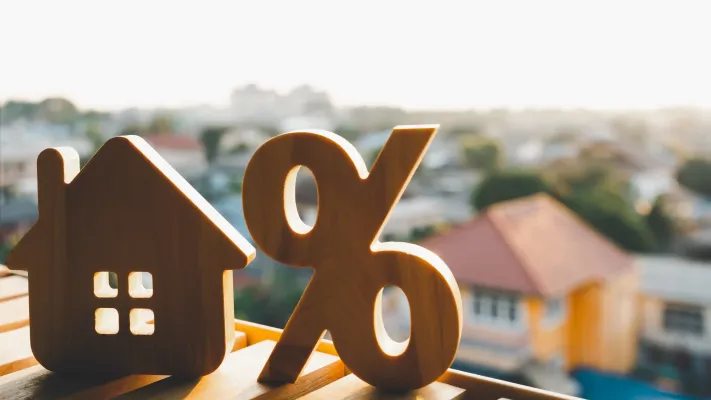
When recession headlines pick up, many homebuyers and homeowners start asking the same question: do mortgage rates go up or down in a recession?
The short answer is that mortgage rates often move lower during or leading into a recession, but that does not always make borrowing easier. The economy, inflation, bond markets, and lender guidelines all play a role.
If you are trying to decide whether to buy, refinance, or simply prepare for market changes, it helps to understand what usually happens and what it could mean for your next step.
How Mortgage Rates Usually Behave in a Recession
Historically, mortgage rates have often declined during recessions. That happens because recessions tend to slow economic activity, reduce consumer spending, and increase demand for safer investments like U.S. Treasury bonds.
Mortgage rates are closely influenced by the 10-year Treasury yield. When investors move money into bonds during uncertain times, bond yields often fall. As yields fall, mortgage rates frequently follow.
That is why recession fears can sometimes push mortgage rates down even before a recession is officially declared.
Why Rates Do Not Always Move in a Straight Line
Even though recessions often create downward pressure on mortgage rates, the path is rarely smooth. Rates can still rise for periods of time if inflation remains stubborn, financial markets react to new data, or investors expect the Federal Reserve to keep policy tighter for longer.
In other words, recession concerns may lower rates over time, but day-to-day and week-to-week movement can still be volatile.
That is one reason timing the market perfectly is so difficult. A better approach is to focus on your budget, your long-term plans, and whether the payment works for your situation.
Why Lower Rates Do Not Always Mean Easier Approval
Lower mortgage rates sound like great news, and they can be. A lower rate may improve affordability, reduce monthly payments, or create a refinancing opportunity.
However, lenders often become more cautious during uncertain economic periods. If recession risks increase, some lenders may tighten credit requirements, look more closely at income stability, or expect stronger overall borrower profiles.
That means a borrower could see lower advertised rates while also facing stricter approval standards.
What This Means for Homebuyers
If you are buying a home during a recession or a period of recession concern, lower rates could increase your purchasing power. At the same time, housing inventory, home prices, and underwriting standards may all shift depending on your local market.
For buyers, preparation matters. Strengthening your credit, managing debt, documenting income clearly, and getting pre-approved can all put you in a better position to act when an opportunity appears.
If you want help understanding what you may qualify for, Reliant Mortgage can walk you through your options. You can reach the team at 470-929-1468.
What This Means for Homeowners
If you already have a fixed-rate mortgage, a recession does not change your existing interest rate or monthly principal and interest payment. That stability can be reassuring when the broader economy feels uncertain.
If you have an adjustable-rate mortgage, market changes may affect future payment adjustments depending on the terms of your loan. Reviewing your mortgage details now can help you avoid surprises later.
For homeowners considering a refinance, the right move depends on more than the market headline. It is important to compare your current rate, projected savings, closing costs, and how long you plan to stay in the home.
Should You Wait for Rates to Fall More?
That depends on your goals. Waiting may lead to a better rate, but it could also mean missing a home you want, facing more competition, or seeing market conditions change in ways that do not help your overall plan.
Rather than trying to guess the exact bottom, it is often smarter to evaluate whether the numbers make sense today. If they do, you can move forward with confidence. If they do not, you can build a plan and keep watching the market.
Key Takeaways
- Mortgage rates often fall during recessions or periods of recession concern.
- Rates are heavily influenced by bond market activity, especially the 10-year Treasury yield.
- Lower rates do not always mean easier approval because lenders may tighten guidelines.
- Buyers and homeowners should base decisions on personal finances and goals, not just headlines.
Conclusion
So, do mortgage rates rise or fall in a recession? In many cases, they trend lower, but that is only part of the story. The real question is how changing rates, lending standards, and market conditions affect your ability to buy, refinance, or plan ahead.
The strongest move in an uncertain market is not trying to predict every twist. It is being informed, financially prepared, and ready to act when the right opportunity appears.
If you want guidance tailored to your situation, Reliant Mortgage is here to help you explore your options and make sense of the market. Contact us at 470-929-1468.